Which Digital Marketing Strategy Is Best for Small Businesses?
If you're wondering which Digital Marketing strateegies work best for small businesses, the answer depends on your business goals, target audience, and budget. However, a combination of SEO, content marketing, social media marketing, local SEO, paid advertising, and email marketing delivers the best long-term results. These strategies help businesses attract qualified customers, build brand trust, generate leads, and increase sales without relying solely on traditional advertising.
For small businesses competing in today's digital world, choosing the right marketing approach is no longer optional—it's essential. Whether you're a startup, local service provider, retailer, or B2B company, implementing the right online marketing strategies can help you reach potential customers at every stage of their buying journey.
Why Are Digital Marketing Strateegies Important for Small Businesses?
Small businesses often operate with limited marketing budgets, making every investment count. Unlike traditional advertising, digital marketing provides measurable results, targeted reach, and higher return on investment.
Effective Digital Marketing strateegies enable businesses to:
- Reach customers actively searching online
- Build long-term brand visibility
- Generate consistent leads
- Increase website traffic
- Improve customer engagement
- Track marketing performance with real-time analytics
- Compete with larger businesses through targeted campaigns
Instead of marketing to everyone, digital channels help you reach people who are genuinely interested in your s or services.
What Are the Best Digital Marketing Strateegies for Small Businesses?
The most successful businesses combine multiple marketing channels rather than relying on just one. Here are the strategies that consistently deliver results.
1. Search Engine Optimization (SEO)
SEO remains one of the most cost-effective online marketing strategies for sustainable growth.
Optimizing your website helps it rank higher on Google for relevant searches, bringing in qualified visitors without paying for every click.
Benefits of SEO
- Higher organic traffic
- Better brand credibility
- Long-term lead generation
- Improved local visibility
- Higher ROI compared to many paid channels
Businesses that consistently publish valuable content and optimize their websites often see compounding growth over time.
2. Local SEO for Nearby Customers
For businesses serving specific cities or regions, Local SEO is essential.
Optimizing your Google Business Profile, collecting customer reviews, maintaining consistent business information, and targeting location-based keywords help attract nearby customers searching for your services.
This strategy is particularly effective for:
- Restaurants
- Clinics
- Retail stores
- Service providers
- Educational institutes
- Consultants
3. Content Marketing
High-quality content builds trust before customers are ready to buy.
Publishing blogs, guides, FAQs, videos, and case studies helps answer customer questions while improving search rankings.
Good content should solve problems rather than simply promote s.
Popular content formats include:
- Educational blog posts
- Buying guides
- Industry insights
- Product comparisons
- Customer success stories
- How-to articles
4. Social Media Marketing
Social media allows businesses to connect directly with their audience.
Platforms such as Facebook, Instagram, LinkedIn, and YouTube help improve brand awareness while encouraging customer interaction.
Instead of focusing only on promotions, successful businesses share:
- Educational content
- Customer testimonials
- Behind-the-scenes updates
- Product demonstrations
- Industry tips
- Interactive posts
Consistent engagement builds long-term customer relationships.
5. Pay-Per-Click (PPC) Advertising
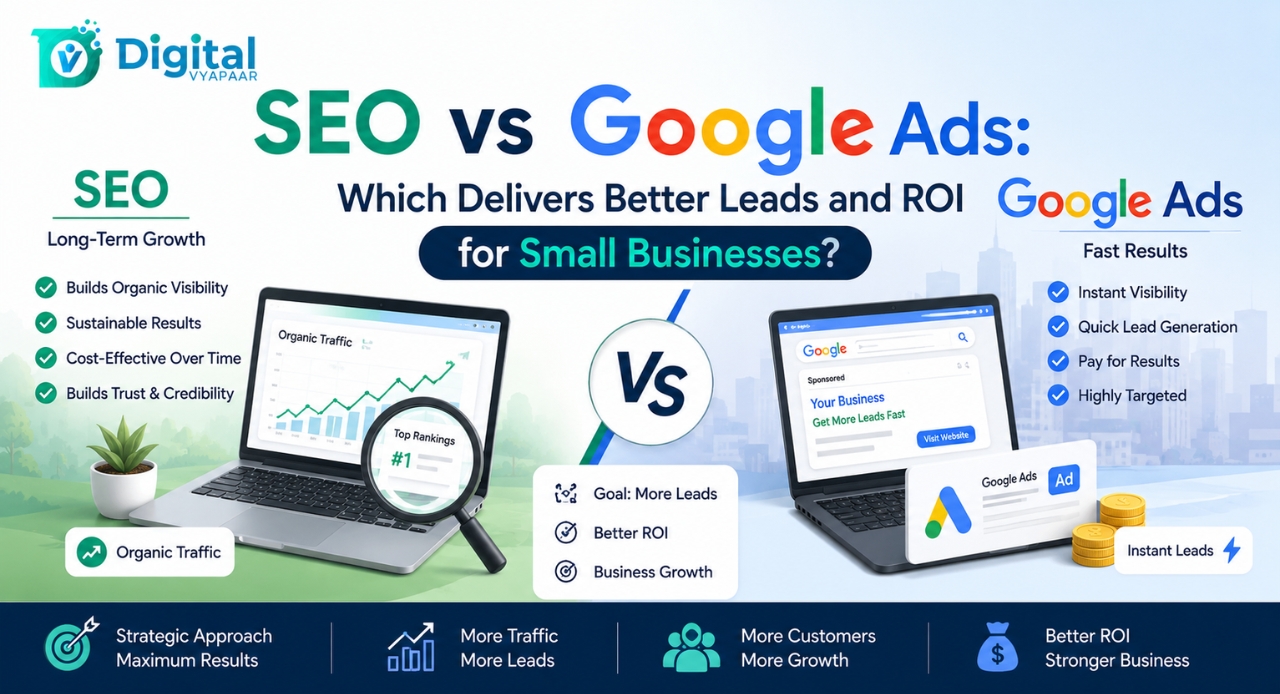
While SEO builds long-term visibility, PPC generates immediate traffic.
Paid campaigns allow businesses to appear at the top of search results for high-intent keywords.
PPC works well for:
- New launches
- Seasonal campaigns
- Lead generation
- Local services
- E-commerce promotions
A well-managed campaign ensures better budget utilization and measurable results.
6. Email Marketing
Email continues to deliver one of the highest returns among all online internet marketing channels.
Regular newsletters, promotional offers, and personalized emails help businesses nurture leads and retain existing customers.
Effective email campaigns include:
- Welcome emails
- Product recommendations
- Educational newsletters
- Limited-time offers
- Customer follow-ups
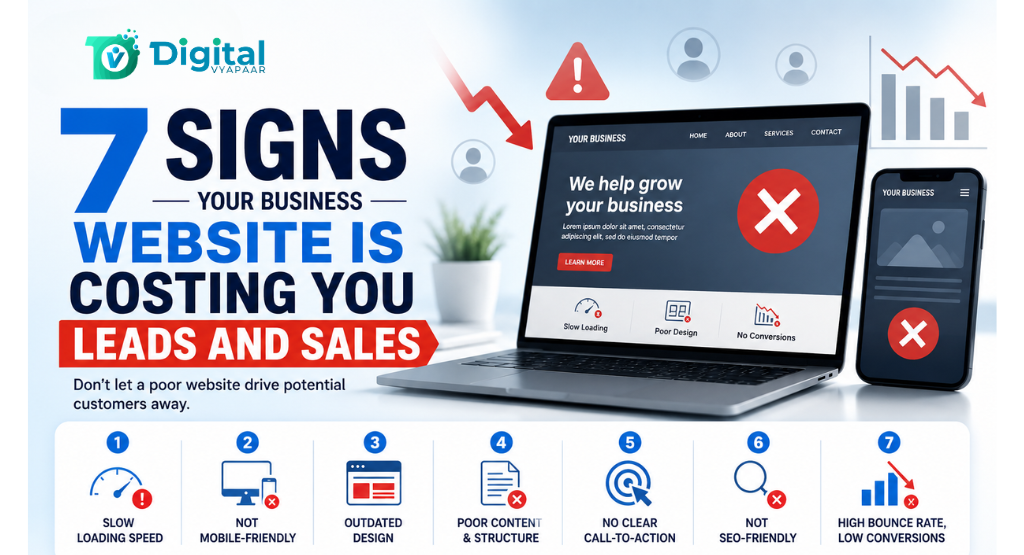
7. Website Optimization
Your website is the foundation of every successful internet marketing service.
A fast, mobile-friendly, secure, and user-focused website improves both user experience and search engine rankings.
Key optimization areas include:
- Fast loading speed
- Mobile responsiveness
- Clear navigation
- Strong calls-to-action
- Optimized landing pages
- Secure HTTPS connection
Even the best marketing campaigns perform poorly if visitors have a bad website experience.
How to Choose the Right Digital Marketing Strategy
Every business has different goals, so the ideal strategy depends on several factors.
Consider:
Business Objectives
Are you trying to increase:
- Website traffic?
- Brand awareness?
- Leads?
- Sales?
- Customer retention?
Your objectives determine which marketing channels deserve the highest priority.
Target Audience
Understand where your audience spends time online and how they search for s or services.
For example:
- B2B companies often perform better on LinkedIn and SEO.
- Local businesses benefit significantly from Google Business Profile optimization.
- E-commerce brands may prioritize PPC and social media advertising.
Budget
Businesses with limited budgets should prioritize:
- SEO
- Content Marketing
- Local SEO
- Email Marketing
These channels often provide better long-term ROI compared to continuous paid advertising.
Common Mistakes Small Businesses Should Avoid
Many businesses fail to achieve results because of avoidable mistakes.
Common issues include:
- Ignoring SEO
- Running ads without a strategy
- Publishing inconsistent content
- Targeting overly broad audiences
- Not tracking campaign performance
- Having a slow or outdated website
- Neglecting customer reviews and local listings
Avoiding these mistakes can significantly improve marketing performance.
Why Work with a Marketing Agency for Small Business?
Managing multiple digital channels requires expertise, time, and continuous optimization.
A professional marketing agency for small business can help with:
- SEO strategy
- Website optimization
- Content marketing
- Social media management
- Paid advertising
- Lead generation
- Performance tracking
Experienced professionals ensure campaigns are data-driven, scalable, and aligned with your business goals.
Expert Insight
The most successful small businesses don't rely on a single marketing channel. They integrate SEO, content marketing, paid advertising, email campaigns, and social media into one cohesive strategy. This multi-channel approach creates consistent visibility, attracts qualified leads, and supports sustainable business growth over time.
Conclusion
Choosing the right Digital Marketing strateegies is one of the smartest investments a small business can make. A balanced strategy that combines SEO, content marketing, Local SEO, social media, PPC, and email marketing helps businesses improve online visibility, attract qualified customers, and generate consistent revenue.
Rather than chasing every new trend, focus on proven online marketing strategies that align with your business goals and customer needs. With the right planning, consistent execution, and expert guidance, even small businesses can compete effectively in today's digital marketplace.
FAQs
1. Which Digital Marketing strategy is best for small businesses?
A combination of SEO, Local SEO, content marketing, social media marketing, PPC advertising, and email marketing provides the best long-term results for most small businesses.
2. How long does SEO take to show results?
SEO typically takes between 3 and 6 months to generate noticeable improvements, depending on your industry, competition, website quality, and optimization efforts.
3. Is paid advertising necessary for small businesses?
Not always. While PPC delivers immediate traffic, businesses can achieve sustainable growth through SEO, content marketing, and Local SEO even with a limited budget.
4. Why is content marketing important?
Content marketing builds trust, educates potential customers, improves search rankings, and supports lead generation by answering users' questions throughout the buying process.
5. Should I hire a marketing agency for small business?
If you lack the time or expertise to manage multiple digital channels, partnering with a marketing agency for small business can improve campaign performance, save time, and deliver measurable growth.
Read More:-